3D Illustration for Digital Social Marketing
In today’s fast-paced digital world, standing out in the crowd is more challenging than ever. With so much content flooding social media platforms daily, marketers and businesses need creative tools that capture attention quickly and effectively. Enter 3D illustration for digital social marketing. This powerful visual strategy combines engaging 3D imagery with the dynamic nature of online marketing to create compelling, shareable content that resonates with audiences.
What Is 3D Illustration in Digital Social Marketing?
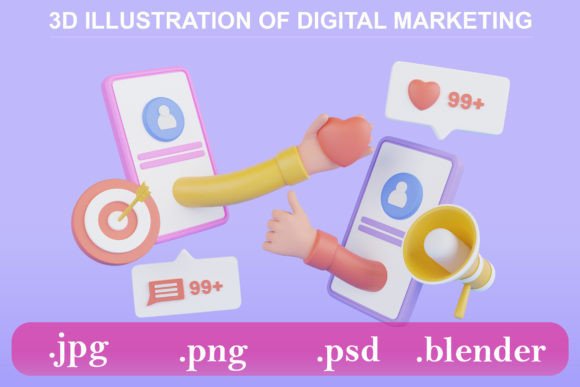
3D illustration for digital social marketing refers to the use of three-dimensional graphics to represent marketing concepts in a visually appealing and informative way. These illustrations are often used to explain complex ideas like campaign strategies, customer engagement, or data flow in a simple and intuitive format. A common example includes a 3D rendering of a mobile phone with a social network interface, symbolizing how digital marketing reaches users on their most-used devices.
Key Characteristics of 3D Illustrations in Marketing
- Visual Clarity: 3D illustrations simplify abstract marketing concepts by turning them into tangible visuals.
- High Engagement: They catch the eye and encourage viewers to spend more time with the content.
- Versatility: Available in multiple formats like JPG, PNG, PSD, and BLENDER files, these illustrations can be adapted for various platforms and uses.
- Professional Appeal: Their polished look enhances brand credibility and creativity in presentations and promotions.
Why Use 3D Illustration for Your Digital Marketing Needs?
If you're looking to elevate your marketing visuals, 3D illustrations offer a fresh perspective. Whether you’re a small business owner designing a website or a marketer creating promotional banners, using 3D elements adds depth and realism. For instance, an illustration showing a hand holding a magnet over a mobile screen can symbolize attracting customers through strategic online presence.
These designs are especially useful when explaining processes related to social media strategy and planning, where traditional flat images may not convey the full picture. The layered detail of a 3D render helps demonstrate connections between different platforms, user behaviors, and campaign outcomes in a more digestible format.
Real-World Applications of 3D Illustration in Marketing
3D illustrations aren't just for show—they serve real functional purposes across different areas of digital marketing:
- Banner Ads: Use a 3D image of a mobile phone with social media icons to highlight app-based campaigns or platform-specific promotions.
- Websites: Incorporate 3D visuals into landing pages or about sections to showcase your digital strategy visually and professionally.
- Promotional Materials: Design posters or flyers with 3D elements to stand out at events or conferences focused on digital trends.
- UI/UX Design: 3D illustrations help visualize user journeys, making it easier for developers and designers to align with marketing goals.
- Presentations and Reports: When presenting a new social media plan, a 3D illustration of a digital marketing ecosystem can make your message more impactful.
Getting Started: What You Need to Know
Before diving into 3D illustration design, it's important to understand what makes this approach effective. Here are some key considerations for beginners:
- Understand Your Audience: Choose visuals that reflect the interests and behaviors of the people you're targeting. For younger demographics, modern, vibrant 3D art might work best.
- Choose the Right File Format: If you plan to edit the illustration yourself, go for a PSD or BLENDER file. For quick use in blogs or ads, JPG or PNG versions are ideal.
- Keep It Relevant: Ensure that the illustration supports the message you want to deliver. For example, a 3D scene with interconnected nodes could represent audience reach and engagement metrics.
- Balance Creativity and Simplicity: While 3D offers rich visual opportunities, avoid overcomplicating the design. The goal is to communicate clearly, not overwhelm viewers.
Beginner-Friendly Examples of 3D Marketing Illustrations
Here are some easy-to-implement examples perfect for those new to using 3D illustrations in their marketing efforts:
- A 3D illustration of a digital marketing funnel with animated arrows showing customer movement from awareness to conversion.
- A hand holding a magnet near a smartphone to represent attracting followers or increasing visibility on social platforms.
- A desktop with floating icons representing different social networks, used as part of a website header to introduce a social media management service.
- A 3D poster combining a globe, hashtags, and user avatars to emphasize global reach and community building through digital channels.
How to Choose the Best 3D Illustrations for Your Brand
Selecting the right 3D illustration involves matching the design to your brand identity and campaign goals. Look for artwork that reflects your industry—tech companies might prefer futuristic styles, while lifestyle brands could lean toward warm and inviting visuals.
Consider the context in which the illustration will appear. For web banners, choose high-resolution PNGs with transparent backgrounds. For print materials like brochures or posters, opt for JPEGs or vector-compatible PSD files. If you're working with a designer, BLENDER files allow for further customization and animation possibilities.
Common Uses Across Industries
From startups to large corporations, 3D illustration for digital social marketing has become a staple in many industries. Educators use it to teach marketing fundamentals, while entrepreneurs use it to pitch their ideas. Bloggers incorporate it into infographics, and freelancers add it to portfolios to showcase their range.
One popular trend is the marketing social media concept illustrated in 3D. This might include a stylized phone screen displaying trending hashtags or a dashboard view of analytics tools. These visuals help break down technical topics and make them accessible to wider audiences.
Practical Tips for Using 3D Illustrations in Your Projects
Once you’ve acquired a 3D illustration file, here’s how to get the most out of it:
- Edit Smartly: Use graphic design software like Photoshop (for PSD files) to tweak colors, sizes, or layouts without losing quality.
- Optimize for Web: Compress images before uploading them to websites or social media to ensure fast load times and smooth performance.
- Combine with Text Strategically: Pair the illustration with concise text to guide the viewer’s understanding—like using a 3D phone graphic alongside a headline about mobile-first strategies.
- Repurpose Content: One illustration can be sliced into smaller components for use in multiple contexts, such as email headers, presentation slides, or blog thumbnails.
Where to Find Ready-Made 3D Illustration Files
Many platforms offer high-quality 3D illustration files tailored for digital marketing needs. These typically include assets like a mobile phone with a social network interface, magnets, charts, and abstract representations of online interactions. Some even come with editable layers, allowing you to customize fonts, colors, and layout elements to match your brand guidelines.
Important Things to Consider Before Starting
While 3D illustrations can significantly boost your marketing visuals, there are a few things to keep in mind:
- Technical Compatibility: Make sure the file format you choose works well with your editing tools and platforms.
- Design Style: Pick a style that aligns with your brand personality—modern, minimalist, bold, or playful.
- Licensing: Confirm whether the illustration comes with commercial rights, especially if you plan to use it for banners or promotional materials.
- Relevance Over Trends: Don’t choose an illustration just because it looks cool. Focus on how it supports your message and engages your target audience.
Maximizing Value from a 3D Illustration Set
When you purchase a set of 3D illustrations—such as one including a strategy and planning website theme—you open up a world of possibilities. These sets usually feature cohesive themes and color palettes, making it easy to build a consistent visual language across all your digital touchpoints.
For example, a single BLENDER file might contain modular elements like:
- Mobile screens showing social feeds
- Hands interacting with digital content
- Abstract shapes representing data or growth
Final Thoughts on 3D Illustration for Digital Social Marketing
As digital marketing becomes increasingly visual, leveraging 3D illustration is a smart move for anyone aiming to stay ahead of the curve. Whether you're designing for a website, crafting a social media post, or preparing a presentation, 3D visuals bring a level of sophistication and clarity that traditional 2D images struggle to match.
With the right files—like those offering a 3D illustration of digital marketing—you can easily adapt and apply these visuals to fit your specific needs. From beginner-friendly banner templates to advanced UI/UX mockups, the flexibility of 3D illustration ensures that your message is both seen and understood.