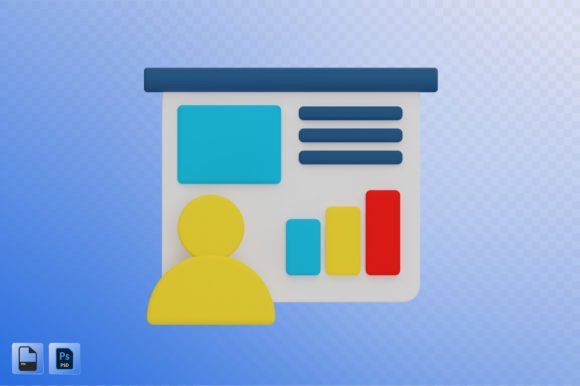
Enhancing Communication with Marketing Presentation 3D Illustration
In today’s fast-paced digital world, visual communication plays a crucial role in capturing attention and delivering messages effectively. One of the most powerful tools for this purpose is Marketing Presentation 3D Illustration. These illustrations combine creativity with technology to create engaging, professional visuals that support a wide range of design needs. Whether you're working on apps, UI/UX projects, web design, or promotional content, incorporating 3D illustration can elevate your work and make it stand out.
What Is a Marketing Presentation 3D Illustration?
A Marketing Presentation 3D Illustration refers to the use of three-dimensional imagery in marketing and presentation materials. Unlike traditional 2D graphics, these illustrations provide depth, perspective, and realism, helping to visualize complex ideas or products more clearly. They are often created using specialized software and rendered in high resolution—typically around 3000x3000 pixels—to ensure crisp and detailed output suitable for both print and digital platforms.
Key Features and Benefits
- High Resolution: With file sizes reaching up to 3000x3000 pixels, these illustrations offer exceptional clarity, making them ideal for posters, social media, and web banners.
- File Formats: Most come in PSD and PNG formats, allowing for easy editing and seamless integration into various design workflows.
- Design Versatility: The realistic yet stylized nature of 3D illustrations makes them adaptable across multiple industries—from tech startups to fashion brands.
- Visual Impact: They add a dynamic feel to static presentations, helping audiences better understand and remember key points.
Where Can You Use 3D Illustrations in Marketing?
The applications of Marketing Presentation 3D Illustration are vast and growing. Here are some common areas where they are particularly effective:
App and Web Design
3D illustrations bring a modern and immersive look to mobile and web interfaces. For example, an app showcasing fitness routines might use 3D characters demonstrating exercises, making the experience more interactive and engaging. In UI design, they can be used as background elements or icons to enhance user experience without overwhelming the interface.
Presentation Slides
When presenting business strategies, product launches, or market research, 3D illustrations help simplify complex data and concepts. Instead of using generic stock photos, you can use custom 3D visuals that align with your brand identity and message.
Posters and Print Materials
For events, conferences, or product campaigns, posters with 3D illustrations catch the eye instantly. Their boldness and detail allow for quick recognition and memorability, which are essential in crowded visual environments.
Social Media Advertising
On platforms like Instagram, Facebook, or LinkedIn, where content must compete for attention, using 3D illustrations can significantly boost engagement. They lend a polished and professional look to ads while also being visually stimulating enough to encourage shares and clicks.
Content Creation
Whether it's blog posts, infographics, or explainer videos, 3D illustrations help break up text and keep readers interested. A well-placed 3D graphic can explain a process or highlight a feature far more effectively than words alone.
Who Can Benefit from Using 3D Illustrations?
Marketing Presentation 3D Illustrations are not just for designers or marketers. Anyone who wants to communicate ideas visually can benefit from them:
- Business Owners: Create compelling slides for pitches, proposals, or internal meetings.
- Freelance Creators: Add value to client projects by offering unique visuals that reflect their brand personality.
- Startups: Stand out in a competitive market with innovative and high-quality design assets.
- Educators and Trainers: Simplify learning processes with visual aids that make abstract concepts tangible.
- Digital Marketers: Increase the effectiveness of ad campaigns and landing pages with eye-catching 3D elements.
Real-World Examples of Use
- Product Launch Presentations: A company launching a new smartwatch could use 3D illustrations to showcase its features in action, such as heart rate monitoring or GPS tracking.
- UI/UX Mockups: When designing a travel booking app, 3D visuals of luggage, airplanes, or hotel rooms can add context and realism to the interface.
- Social Media Campaigns: A skincare brand might use 3D illustrations of glowing skin layers or ingredient molecules to explain the science behind their products in a visually appealing way.
- Infographics: A financial services firm could illustrate investment growth or risk management using 3D charts and models to make the information more digestible.
Strengths of Marketing Presentation 3D Illustration
One of the main strengths of 3D illustrations is their ability to convey professionalism and innovation. They give a sense of cutting-edge quality to any project they’re part of. Additionally, because they are scalable and editable (especially in PSD format), they offer flexibility for customization. This means you can adjust colors, lighting, or elements to match your brand guidelines precisely.
Another advantage is their broad appeal. 3D visuals tend to resonate well with diverse audiences, regardless of age or technical knowledge. They can simplify complex topics, such as explaining how a SaaS platform works, or demonstrate physical products when actual photography isn't feasible.
Considerations and Limitations
While Marketing Presentation 3D Illustration has many benefits, there are a few things to consider before integrating them into your workflow:
- Cost and Time: Custom 3D illustrations can take longer to produce and may require more resources compared to flat designs.
- Software Requirements: Editing PSD files typically requires Adobe Photoshop, which might be a barrier for those unfamiliar with the tool.
- Style Consistency: To maintain a cohesive brand image, it's important to choose illustrations that match your existing visual style and tone.
- Overuse Risk: While impactful, too many 3D illustrations can clutter a design and reduce readability. Balance is key.
Understanding these limitations helps set realistic expectations and ensures that you use 3D illustrations effectively rather than excessively.
How to Evaluate if 3D Illustration Fits Your Project
Before investing in or downloading Marketing Presentation 3D Illustration assets, ask yourself a few questions:
- Do I need to represent something in a more realistic or dynamic way?
- Will this illustration improve audience understanding or engagement?
- Is my budget and timeline compatible with producing or acquiring high-quality 3D visuals?
- Does the illustration align with the overall aesthetic and message of my project?
If you answered “yes” to most of these, then 3D illustrations are likely a good fit. Always start with a clear vision of what you want to achieve and how the illustration will contribute to your goals.
Practical Tips for Working with 3D Illustrations
Here are some tips to help you get the most out of Marketing Presentation 3D Illustration:
- Choose the Right Style: There are many styles of 3D illustration, from hyper-realistic to cartoonish. Pick one that matches your target audience and brand voice.
- Test on Different Platforms: Before finalizing your design, test how the illustration looks on various devices and screen sizes. High-resolution doesn’t always mean optimal performance on mobile.
- Keep It Simple: Focus on the core message. Avoid overloading the illustration with unnecessary details that might confuse viewers.
- Use Layered Files: If you receive a PSD version, utilize the layers to modify specific elements without having to redo the entire artwork.
- Optimize for Speed: Especially for web and app design, compress images without losing quality to ensure fast load times.
Why Go Beyond Stock Images?
Traditional stock images have their place, but they often lack the uniqueness and adaptability of 3D illustrations. With 3D assets, you can tweak colors, angles, and components to suit your exact requirements. This level of customization allows your brand to appear more authentic and tailored, which is especially important in a saturated market.
Moreover, 3D illustrations avoid the common pitfalls of stock photos—like awkward poses or irrelevant backgrounds. You can control every aspect of the scene, ensuring that the visuals support your message perfectly.
Final Thoughts: Making the Most of 3D Illustration
Marketing Presentation 3D Illustration is more than just a trend—it's a valuable asset for anyone looking to enhance their visual storytelling. From boosting the impact of your presentations to improving the aesthetics of your website or app, these illustrations offer a versatile solution for modern design challenges.
As with any design element, the key to success lies in thoughtful application. Choose illustrations that serve your purpose, complement your brand, and engage your audience. With the right approach, 3D illustration can become an integral part of your creative toolkit, helping you deliver ideas with clarity, impact, and professionalism.
Ready to explore the potential of 3D illustration for your next project? Start by identifying the areas where it can add the most value and experiment with different styles and formats to find what works best for your audience.