Multilayered Deer Design Woodland 3D: A Guide to Getting the Most from Your Creative Files
Woodland themes have always held a special place in creative design, blending natural beauty with a sense of whimsy and charm. For crafters, entrepreneurs, educators, and hobbyists alike, finding the right design that captures this essence can be challenging. That’s where the Multilayered Deer Design Woodland 3D comes into play. This design is more than just an artistic image—it's a professionally crafted, multi-format resource designed for precision and creativity across various cutting machines.
Understanding What You’re Buying
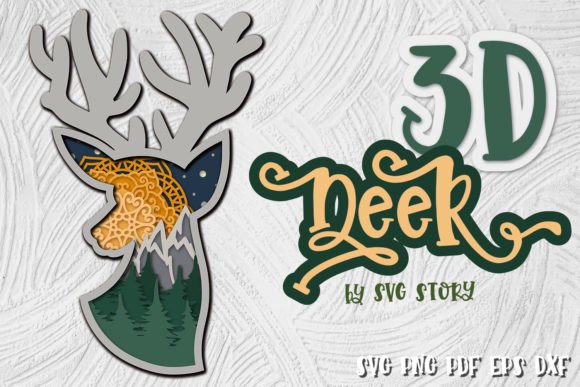
The Multilayered Deer Design Woodland 33D is a detailed, layered artwork featuring a deer set within a forest or woodland scene. It includes elements such as trees, foliage, and subtle textures to create a rich visual experience. The design is not flat but structured in multiple layers, which allows for depth and dimension when used on physical materials like wood, acrylic, or fabric.
Each purchase includes:
- 1 SVG File – Perfect for use with Cricut, Silhouette, and other popular digital cutting software.
- 1 EPS File – Ideal for vector editing in Adobe Illustrator or similar programs.
- 1 DXF File – Compatible with laser cutters and advanced CNC machines.
- 1 PNG File – Great for printing or using as a reference image.
- 1 PDF File – Useful for manual tracing or as a printable version of the design.
All files are neatly archived in a ZIP format, making it easy to organize and access them. Before purchasing, ensure you have a ZIP extractor installed on your computer to avoid unnecessary delays or complications.
Common Mistakes When Choosing and Using This Design
While the Multilayered Deer Design Woodland 3D offers versatility, many users make preventable mistakes that affect their final results. Here are some key issues to watch out for:
Overlooking Compatibility Requirements
One of the most frequent errors occurs when buyers assume all cutting machines will work seamlessly with the provided file types. While the design includes SVG, EPS, DXF, PNG, and PDF formats, not all machines support every one. For example, if you're using a Cricut Explore Air, you’ll need the SVG file. If you're working with a laser cutter, the DXF might be more appropriate.
Better approach: Before purchasing, double-check what file types your machine supports. If you're unsure, reach out to the seller—many are happy to clarify or even provide additional file formats upon request.
Not Previewing the Design Properly
Another common oversight is failing to preview the design in your intended medium or software before cutting. The deer design may look great in color, but once you switch to black and white or scale it down for a smaller project, details could become lost or misaligned.
Better approach: Open the PNG or PDF in your design software at full size and zoom in to see how each layer interacts. This gives you a clearer idea of how the design will translate to your material and helps you adjust line weights or spacing accordingly.
Ignoring Layer Organization
Because this is a multilayered design, improper handling of those layers can lead to messy or inaccurate cuts. Layers may represent different parts of the deer, background elements, or outlines, and they must be arranged correctly in your cutting software to function as intended.
Better approach: Import the SVG into your preferred program and take time to review the layer structure. Ensure each element is grouped or separated logically so that you can edit, resize, or reposition parts without disrupting the entire composition.
How These Errors Impact Your Projects
Mistakes in compatibility, previewing, or layer management don’t just result in wasted materials—they can also slow you down, increase costs, and lower the quality of your finished product. For instance, if you try to use an unsupported file type, you might end up with jagged edges or missing components. Similarly, poor layer organization can lead to confusion during the cutting process, especially for beginners who are still learning how to manage complex designs.
In marketing or educational contexts, these errors could reduce the effectiveness of your message. A poorly executed woodland design might fail to capture the attention of your audience or damage your brand’s professional appearance. In short, taking the time to understand the design and its requirements ensures better outcomes and higher satisfaction.
Know Your Tools
Whether you're using a Cricut, Silhouette, or a laser cutter, understanding your machine’s capabilities is essential. Some machines require specific file settings (like bleed lines or registration marks), while others allow for more flexibility. Always consult your machine’s manual or online resources to confirm best practices for importing and cutting layered designs.
Test First, Then Scale
It’s tempting to jump straight into large-scale production, but testing the design on a small sample first is a smart move. Cut the deer on a scrap piece of wood or cardboard to check for alignment, depth, and detail retention. This step helps you catch any potential issues before committing to larger projects.
Use the Right Software Features
Most design software has tools for managing layers, adjusting stroke widths, and optimizing paths. Don’t skip over these features—using them can significantly improve the accuracy and efficiency of your cuts. For example, adjusting the stroke width in an SVG file might help a thin branch show up more clearly in certain materials.
Check File Integrity After Download
Sometimes, technical issues during download can corrupt files. Always open the ZIP archive immediately after downloading and verify that all files are present and functioning. If anything seems off, contact customer support for assistance. Many sellers offer quick replacements or troubleshooting tips.
Real-World Examples and Better Approaches
Let’s consider a few real-world scenarios to illustrate how proper planning can enhance your experience with the Multilayered Deer Design Woodland 3D:
Example 1: The Entrepreneur’s Signage Project
A local shop owner wanted to create custom wooden signage for her new store. She purchased the design but didn’t test it on a sample board first. As a result, the deer’s antlers were too delicate and broke during the initial cut. Had she tested the design on a thinner, less expensive material first, she would have adjusted the settings to preserve those fine details.
Better approach: Start by experimenting with a softwood or MDF sample. Adjust blade pressure and speed based on the test results before moving to your final material.
Example 2: The Educator’s Classroom Craft
A teacher planned a holiday craft session for her students using the deer design. She imported the SVG into her software but didn’t pay attention to the layers. During the activity, several students ended up with incomplete or misaligned deer because some background elements weren’t properly separated.
Better approach: Review the layers in the SVG and simplify or regroup them if needed. Provide clear instructions or a simplified version of the design for younger or less experienced users.
Example 3: The Hobbyist’s Laser-Cutting Attempt
An amateur woodworker bought the design for his laser cutter but only used the PNG file. Since PNGs aren’t vector-based, the laser cutter had trouble recognizing the precise lines and shapes. The result was a blurry, uneven cut that required significant post-processing.
Better approach: Always use vector-based files (SVG, EPS, or DXF) for laser or CNC cutting. These formats maintain sharpness and clarity at any scale, ensuring clean and accurate results.
What to Check Before Making a Decision
To get the most value from the Multilayered Deer Design Woodland 3D, here’s what you should verify before purchasing or using it:
- Machine Compatibility: Confirm which file types your cutting machine or software supports. If there’s uncertainty, ask the seller for recommendations.
- Layer Structure: Open the SVG file in your design software to inspect how the layers are organized. This will help you understand what each part represents and how to handle it.
- Design Dimensions: Check the original size of the design and determine whether scaling is necessary for your project. Some machines perform better with certain dimensions, and resizing improperly can cause distortion.
- License and Usage Rights: All designs from SVGStory are copyrighted. Make sure you understand the terms of use, especially if you plan to sell products made with the design.
- File Integrity: After unzipping, open each file type briefly to ensure they haven’t been corrupted during download. This is particularly important for vector files, which are sensitive to file corruption.
Final Thoughts on Creative Workflow
Using the Multilayered Deer Design Woodland 3D effectively requires a bit of preparation, but the effort pays off in the form of professional-looking results. Whether you're creating home décor, personalized gifts, or branded merchandise, a well-executed design can elevate your work and impress your audience.
By avoiding common pitfalls like incorrect file usage, ignoring layer structure, or skipping the test phase, you’ll streamline your workflow and achieve better consistency. Remember, the goal isn't just to use the design—it's to master it in a way that reflects your creativity and craftsmanship.
With the right tools and knowledge, the Multilayered Deer Design Woodland 3D becomes more than just a file; it becomes a cornerstone of your creative projects. So take a moment to plan, test, and adapt, and you'll find yourself enjoying both the process and the final outcome much more.