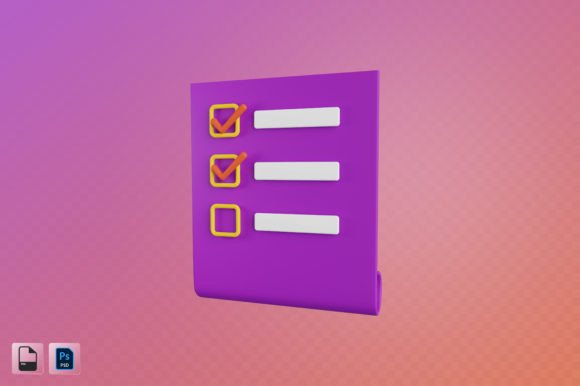
To Do List 3D Illustration: A Practical Guide for Designers and Content Creators
When it comes to visual design, finding the right assets can make all the difference. One such asset gaining popularity is the To Do List 3D Illustration. This type of illustration offers a modern, dynamic way to represent productivity, task management, or lifestyle themes in a visually engaging format. Whether you're working on an app interface, website layout, presentation, or social media campaign, understanding when and how to use this design element can help elevate your project’s clarity and appeal.
What Is a To Do List 3D Illustration?
A To Do List 3D Illustration is a stylized, three-dimensional graphic that visually represents a checklist or daily planner. It typically includes elements like sticky notes, digital devices, calendars, pens, and other office-related items arranged in a realistic or semi-realistic manner. These illustrations are often rendered with depth, lighting, and shadows to create a lifelike appearance, making them ideal for modern UI/UX and content creation projects.
Such illustrations are commonly delivered as high-resolution files (e.g., 3000x3000 px) in formats like PSD and PNG. This ensures flexibility for designers who may need to edit layers or integrate the image into different backgrounds without quality loss.
Why Use a To Do List 3D Illustration?
Designers and content creators choose To Do List 3D Illustrations for several reasons:
- Visual storytelling: They effectively communicate ideas related to organization, planning, or time management in a single image.
- Modern aesthetics: The 3D style adds a contemporary and professional look, suitable for minimalist or tech-oriented designs.
- Customizability: With layered PSD files, users can modify colors, add text, or adjust individual components to match their brand identity.
- High resolution: At 3000x3000 px, these illustrations scale well for both digital and print applications, from web banners to posters.
Benefits and Tradeoffs
While To Do List 3D Illustrations offer many advantages, they also come with certain tradeoffs that should be considered before implementation.
Benefits
- Enhanced engagement: 3D visuals tend to capture attention better than flat graphics, especially in social media and marketing contexts.
- Brand alignment: The ability to customize allows for seamless integration into a company's color scheme and typography.
- Time-saving: Using pre-made illustrations can reduce the need for custom artwork, speeding up the design process.
- Professional results: Even non-illustrators can achieve polished outcomes by incorporating these ready-to-use assets into their work.
Potential Drawbacks
- Cost: High-quality 3D illustrations can be more expensive than simpler vector-based or stock images.
- File size: Due to their complexity and resolution, these files can be large, potentially affecting load times if not optimized properly.
- Licensing limitations: Depending on the source, there may be restrictions on commercial use or editing rights.
- Overuse risk: In some cases, using too many 3D illustrations might lead to a cluttered or overly stylized design that detracts from usability.
Considerations Before Choosing a To Do List 3D Illustration
Before deciding to incorporate a To Do List 3D Illustration into your project, consider the following factors:
- Project scope: Will the illustration support the message or distract from it? Assess its relevance to your overall design goals.
- Target audience: If your audience values minimalism or prefers flat design, a 3D illustration may not resonate as well.
- Technical requirements: Ensure your platform or software supports high-resolution PNGs or layered PSDs. Some tools may require simplification for compatibility.
- Design consistency: Match the illustration's style with the rest of your visual assets to maintain a cohesive look across your project.
Situations Where a To Do List 3D Illustration Fits Well
These illustrations are particularly effective in the following scenarios:
- App and web design: Ideal for showcasing features in productivity apps, task managers, or digital planners.
- Presentations and reports: Useful in decks that emphasize efficiency, workflow optimization, or team collaboration.
- Marketing materials: Can serve as eye-catching visuals in ads, posters, or blog posts targeting professionals or students.
- Social media content: Works well for Instagram stories, LinkedIn posts, or Facebook ads where visual appeal is key to engagement.
Alternatives to Consider
Although To Do List 3D Illustrations have their strengths, there are alternative design approaches that might better suit your needs:
- Flat icons or infographics: For projects requiring a clean, scalable, or mobile-friendly aesthetic, flat design may be more appropriate.
- Vector illustrations: These are lightweight and editable, making them suitable for responsive web design or animation.
- Photorealistic photos: If you want to avoid any artistry and prefer real-world imagery, stock photos of actual to-do lists could be an option.
- Minimalist line art: Offers a subtle and elegant representation, which works best in designs that prioritize simplicity and readability.
Evaluating these options based on your project’s technical, stylistic, and budgetary constraints will help you decide whether a 3D illustration is the right choice.
Expectations When Working With a To Do List 3D Illustration
If you’re considering using a To Do List 3D Illustration, here are some expectations to keep in mind:
- Realism vs. abstraction: While 3D illustrations aim to look realistic, the level of detail may vary depending on the artist or template used.
- Integration effort: Layered PSD files allow for customization but may require intermediate design skills to manipulate effectively.
- Rendering performance: Be cautious about using multiple 3D illustrations in a single project, as they may slow down rendering in certain design tools or on web pages.
- Reusability: You can repurpose these illustrations across various platforms, but ensure they fit the context and do not appear out of place.
Decision-Making Insights for Designers
Choosing the right design assets involves more than just picking the most attractive one. Here are some practical insights to guide your decision:
- Match the tone: If your brand or project has a playful vibe, a stylized 3D illustration might work well. For corporate environments, opt for something more refined.
- Test early: Incorporate the illustration into your mockups early in the design phase to assess how it functions within the layout.
- Balance complexity: Avoid overloading your design with too many 3D elements unless they serve a clear purpose and contribute to the user experience.
- Optimize for performance: Compress PNG files for web use and ensure they meet loading speed standards, especially for mobile interfaces.
Final Thoughts
The To Do List 3D Illustration is a powerful tool for designers and content creators aiming to convey organization, productivity, or modernity through visuals. With high-resolution PNG and PSD files, it provides the flexibility needed for a wide range of applications—from UI design to social media advertising. However, its effectiveness depends on how well it aligns with your project's objectives, audience preferences, and technical capabilities.
By weighing the benefits against potential challenges and exploring alternative options, you can determine whether this illustration type fits your needs. Ultimately, the goal is to enhance your design with visuals that are not only appealing but also functional and relevant to your message.