Text Tool 3D Illustration: Strategic Use for Design, Branding, and Communication
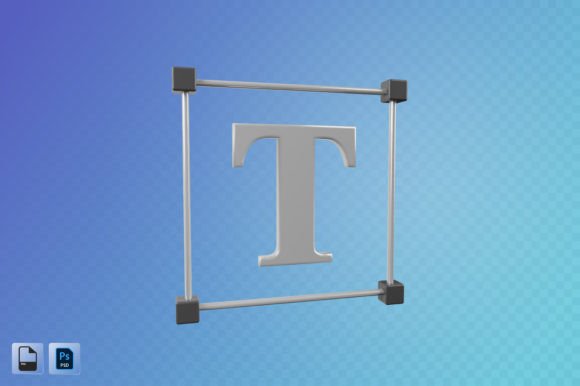
In today’s fast-paced digital landscape, visual content plays a pivotal role in capturing attention, conveying complex ideas, and driving engagement. One powerful tool that has emerged as a strategic asset is the Text Tool 3D Illustration. This resource offers high-resolution 3D illustrations—available in both PSD and PNG formats—that are ideal for design needs across various platforms like apps, UI design, web development, presentations, posters, social media advertising, and more. When used intentionally, it can elevate your creative output, streamline workflows, and enhance your brand's communication strategy.
What Is Text Tool 3D Illustration?
The Text Tool 3D Illustration refers to the use of three-dimensional text-based visuals created through specialized software or tools. These illustrations often combine stylized typography with spatial depth, textures, lighting effects, and sometimes integrated objects or environments. The result is a compelling graphic that adds a modern and dynamic element to any project.
These illustrations are delivered in professional formats such as PSD (Photoshop Document) and PNG (Portable Network Graphics), ensuring flexibility and quality. With a resolution of 3000x3000 pixels, they maintain clarity even when scaled up, making them suitable for both digital and print applications.
Why It Matters for Modern Designers and Marketers
Visual storytelling has become essential in marketing and design. A 3D illustration for design need isn't just about aesthetics—it's about creating a narrative that resonates with audiences. For instance, using a bold, futuristic 3D text illustration on a landing page can immediately set the tone for innovation and professionalism.
Moreover, the Text Tool 3D Illustration allows you to stand out in a crowded market. Whether you're an app developer designing a promotional banner or a content creator crafting a social media post, these illustrations can help differentiate your work from competitors who rely solely on flat graphics or stock images.
Strategic Benefits Across Industries
- App Development: Incorporate 3D text into splash screens or feature highlights to create a memorable user experience.
- UI/UX Design: Use layered 3D typography to add depth and visual hierarchy in interface mockups.
- Web Design: Enhance website headers or hero sections with 3D text to draw focus and improve first impressions.
- Presentations: Make key points pop with animated or stylized 3D text to keep the audience engaged.
- Posters and Print Media: Leverage high-resolution 3D illustrations to ensure crisp, impactful visuals at large sizes.
- Social Media Advertising: Create eye-catching headlines or banners that align with platform-specific visual trends.
- Content Creation: From blog thumbnails to YouTube intros, 3D text can make your content visually cohesive and attractive.
How to Approach Text Tool 3D Illustration Strategically
Using Text Tool 3D Illustration effectively requires more than just downloading files and inserting them randomly. A thoughtful approach ensures the visuals support your message and align with your branding goals. Here’s how to integrate it strategically:
- Define Your Objective: Before selecting an illustration, ask what you want to achieve. Are you trying to highlight a product feature? Build brand awareness? Or simplify a complex concept? Knowing your goal helps you choose the right style and tone.
- Match Brand Identity: Ensure the illustration reflects your brand’s personality. If your brand is minimalist, avoid overly flashy 3D styles. Conversely, if your identity is bold and tech-forward, go all-in on vibrant, dynamic visuals.
- Consider Context and Audience: Where will the illustration be used? Who will see it? A 3D text graphic for a corporate presentation should differ significantly from one used in a youth-focused social media campaign.
- Optimize for Platform: Tailor the size, format, and layout to fit the specific requirements of each medium. For example, a poster may need bleed space, while a mobile ad must prioritize legibility on small screens.
- Test and Refine: Once implemented, monitor how users interact with the visuals. Gather feedback and adjust accordingly. Sometimes a subtle tweak in color or perspective can dramatically affect perception.
Practical Examples of Effective Use
Let’s explore some real-world scenarios where Text Tool 3D Illustration has made a tangible difference:
- Startup Launch Campaigns: A fintech startup used a clean, metallic 3D text logo in its launch video and landing page. The effect conveyed trust and cutting-edge technology, helping attract early-stage investors.
- Educational Content: An online course provider embedded floating 3D text elements in tutorial screenshots to emphasize navigation paths and interactive features, improving user comprehension by 30%.
- Product Packaging Design: A beverage company utilized embossed 3D text on its label designs to give the packaging a premium feel. Sales increased after redesigning their look with this added visual dimension.
- Event Posters: A music festival leveraged colorful, graffiti-style 3D text to create a sense of energy and excitement. The poster was shared widely on social media, increasing ticket sales pre-launch.
Planning Tips for Maximum Impact
To get the most value from Text Tool 3D Illustration, start by integrating it into your planning process rather than treating it as an afterthought. Here are some actionable tips:
- Outline Key Messages First: Identify the core phrases or words you want to emphasize. Then choose an illustration that complements those messages without overshadowing them.
- Balance Creativity and Clarity: While 3D effects can be striking, ensure the text remains legible. Avoid overcomplication unless it serves a clear purpose, such as in a design portfolio showcasing technical skills.
- Use Consistent Visual Language: Maintain a consistent theme across all assets. If your brand uses gradients, shadows, or neon effects, carry those elements into your 3D illustrations for a unified look.
- Align with User Experience: In UI design, consider how the 3D illustration affects load times and readability. Optimize file sizes without compromising quality.
When Not to Rely on 3D Illustrations
While Text Tool 3D Illustration is versatile, there are situations where it may not be the best choice:
- Low-Resolution Displays: Some 3D effects might not render well on older or lower-end devices. Always test across platforms.
- Accessibility Concerns: Overly complex visuals can hinder accessibility. Provide alternative text descriptions and ensure contrast ratios meet WCAG standards.
- Lack of Clear Message: Using 3D illustrations without a defined purpose can lead to confusion. If the text doesn’t communicate a clear idea, the illustration becomes decorative noise.
- Overuse: Applying too many 3D elements can overwhelm viewers and dilute your message. Less is often more in effective communication.
Long-Term Value and Creative Productivity
Beyond immediate aesthetic appeal, Text Tool 3D Illustration contributes to long-term creative productivity. As a designer or marketer, having access to ready-to-use high-quality assets saves time and resources. Instead of commissioning custom 3D renders, you can select from a curated library and focus on other aspects of your project.
Additionally, these illustrations can serve as templates for future campaigns. By building a reusable asset library, you establish consistency and reduce the learning curve for new team members or freelance collaborators. This streamlining leads to faster turnaround times and more efficient workflows.
Learning Through Application
For educators and professionals training others, 3D illustrations offer a practical way to teach concepts related to visual design, branding, and digital media. Assign students to modify existing 3D text illustrations in Photoshop to learn layer management, blending modes, and typographic principles.
Freelancers and hobbyists can also benefit from experimenting with these files. Try adjusting lighting, color schemes, or perspective angles to understand how each change affects the overall mood and usability of the design.
Decision-Making Guidance for Creators
Creators and entrepreneurs must decide when and how to incorporate Text Tool 3D Illustration based on several factors:
- Project Scope: If you’re working under tight deadlines, using pre-made 3D illustrations can speed up production without sacrificing quality.
- Target Platform: Social media platforms like Instagram or LinkedIn have different expectations for visual content. Choose 3D styles that resonate with the platform’s typical user behavior.
- Technical Constraints: Consider the compatibility of the illustration with your design software and the final delivery format. PSD files allow for greater customization but may require more technical skill to edit effectively.
- Brand Positioning: Align the illustration with your brand’s positioning. A luxury brand might prefer elegant, glass-like 3D text, whereas a gaming app might go for something edgy and metallic.
Risks of Using Without Strategy
Despite its benefits, relying on Text Tool 3D Illustration without a clear strategy can lead to poor outcomes. For example, a poorly placed 3D graphic in a web application might distract users from important functions, reducing usability. Similarly, mismatched visuals in a marketing campaign could confuse messaging and weaken brand recognition.
Another risk is overusing the same illustration across multiple projects. This can result in a lack of originality and make your brand appear generic. Always adapt the illustration to suit the specific context and maintain a fresh, relevant image.
Maximizing ROI with Thoughtful Implementation
Investing in high-quality 3D illustrations can yield significant returns when implemented thoughtfully. Start by identifying which parts of your design or marketing strategy would benefit most from added visual impact. For example, a 3D illustration for design need in a brochure’s headline can make your message more engaging, potentially leading to higher conversion rates.
Track performance metrics before and after incorporating these visuals. Look at click-through rates, user dwell time, and engagement levels to determine whether the illustrations are contributing positively to your goals. Adjust your usage based on data-driven insights rather than assumptions.
Integrating into Your Workflow
Here’s how to seamlessly integrate Text Tool 3D Illustration into your workflow:
- Identify High-Impact Zones: Focus on areas where visuals play a critical role—like headers, call-to-action buttons, and infographic titles.
- Customize for Cohesion: Import the PSD file into your preferred design tool and tweak layers, colors, and effects to match your project’s style guide.
- Export Smartly: Use the PNG version for quick insertion into web pages or slides, and retain the PSD for future edits or repurposing.
- Repurpose Across Channels: Adapt the same illustration for use in different formats—such as turning a full-size poster into a smaller social media tile—to maintain brand continuity.
Conclusion: Purpose-Driven Design Decisions
The Text Tool 3D Illustration is a valuable asset for professionals aiming to enhance their creative output. However, its success depends on how well it’s aligned with your objectives, audience, and platform. By treating it as a strategic component rather than a decorative element, you can unlock new possibilities for communication and branding.
Remember, the goal isn’t to impress with visual flair alone but to create meaningful connections through intentional design. Whether you're updating your website, launching a new product, or preparing a client pitch, let the 3D illustration for design need serve your message clearly and effectively.
Final Thoughts
As you evaluate the potential of Text Tool 3D Illustration, consider your long-term vision. Will these visuals help you scale your brand’s presence? Can they support recurring themes in your content strategy? The answers to these questions will guide your decisions and help you leverage this tool for sustainable success.