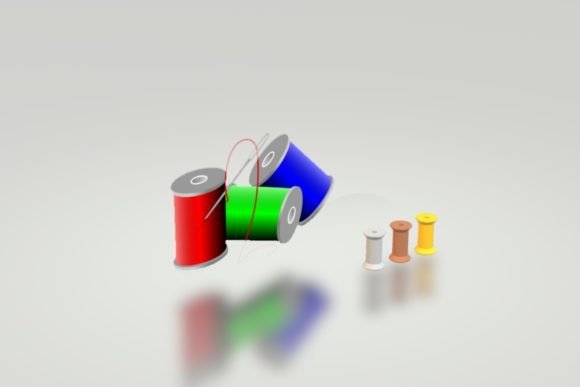
Sewing Thread Bobbin Spare: A Time-Saving Solution for Seamstresses and Makers
When you're in the middle of a sewing project, the last thing you want is to stop because your bobbin is running low or damaged. That’s where the Sewing Thread Bobbin Spare comes into play. This handy spare can be a game-changer for anyone who sews regularly—whether you're a hobbyist, professional tailor, fashion designer, or even someone crafting custom gifts. The right spare bobbin ensures that your machine runs smoothly without interruption, helping you maintain both efficiency and quality in your work.
What Is a Sewing Thread Bobbin Spare?
A sewing thread bobbin spare is an extra bobbin used in conjunction with a sewing machine to hold the lower thread during stitching. While most machines come with a few bobbins, having a spare on hand (or one tailored to specific needs) can save time and reduce frustration. These spares are often overlooked, but they are essential when you’re working on large projects, need specialized threads, or use multiple machines.
Why People Are Interested in Sewing Thread Bobbin Spares
- Time Efficiency: Running out of bobbins mid-project causes delays and disrupts workflow.
- Customization: Some users prefer bobbins made from materials like plastic, metal, or even wood to suit their aesthetic or functional preferences.
- Compatibility: Not all bobbins fit every machine. Having a spare designed specifically for your model ensures consistent performance.
- Cost-Effectiveness: Replacing a lost or broken bobbin can be expensive depending on the brand. A spare allows you to continue using your preferred thread and machine setup without unnecessary costs.
Common Mistakes When Choosing a Sewing Thread Bobbin Spare
Many sewers underestimate the importance of selecting the correct bobbin spare. Here are some common pitfalls to avoid:
1. Assuming All Bobsins Are Interchangeable
One of the biggest mistakes is assuming that any bobbin will work with your machine. In reality, different brands and models require specific bobbin sizes and shapes. Using the wrong type can lead to skipped stitches, tension issues, or even damage to your machine over time.
2. Overlooking Thread Compatibility
Bobbins aren’t just about size—they also interact with the type of thread you're using. Heavy-duty or specialty threads (like metallic or quilting cotton) may not perform well in standard bobbins due to increased friction or lack of space. Always check if your spare bobbin can accommodate the thread weight and material you plan to use.
3. Forgetting to Maintain Spare Bobsins
Even though it's a spare, it still needs care. Leaving a bobbin loaded for extended periods can cause the thread to twist or tangle, especially in humid environments. This leads to inconsistent stitching and potential jams in your machine. Regularly cleaning and storing unused bobbins properly is key to long-term usability.
How These Mistakes Impact Your Work
Missteps in handling or choosing a Sewing Thread Bobbin Spare might seem small, but they can have a ripple effect on your projects. For example:
- Skipped Stitches: If the bobbin doesn't rotate correctly, your seams will look uneven or unprofessional.
- Machine Wear: Incorrect bobbins can strain the feed dogs and other internal components, reducing the lifespan of your machine.
- Project Delays: Running out of bobbins or dealing with malfunctions slows down production and affects deadlines.
- Inconsistent Results: Tension problems caused by improper bobbins can ruin the overall appearance of garments or crafts.
Practical Tips to Avoid Common Bobbin Mistakes
To ensure smooth operation and top-quality results, consider these actionable tips when working with your Sewing Thread Bobbin Spare:
Check Machine Specifications First
Before purchasing or printing a bobbin spare, refer to your sewing machine manual or manufacturer website. Look for details like bobbin type (e.g., class 15, class 66), dimensions, and recommended thread types. Even slight differences in diameter or thickness can matter.
Test Before You Invest
If you're unsure whether a spare bobbin will work, test it with a short sample stitch before committing to a full project. This simple step can prevent costly errors and give you confidence in your choice.
Use a Yarn Catch on the Edge
One smart trick is to create a yarn catch on the edge of the bobbin. This helps secure the end of the thread, preventing it from slipping off or tangling during winding. Especially useful for DIY enthusiasts, this method ensures smoother threading and fewer interruptions.
Realistic Examples and Better Approaches
Let’s say you're preparing for a weekend workshop where you’ll be teaching students how to sew their first garment. You notice that the classroom machines are missing several bobbins. Rather than rushing to buy generic replacements, you download a .zip file containing .blend and .stl 3D files for a compatible Sewing Thread Bobbin Spare.
By scaling the design to match each machine’s specifications and printing them overnight, you arrive at the workshop fully prepared. You even add a small yarn catch to each one, saving valuable setup time and ensuring every student has a smooth experience.
Another scenario involves a quilter working on a large project. She uses metallic thread for decorative elements but finds that her current bobbins cause the thread to break frequently. After researching, she discovers that her machine requires a larger bobbin capacity. She prints a new Sewing Thread Bobbin Spare, sized for heavy-duty use, and notices a significant improvement in performance and fewer frustrations during long hours of stitching.
What to Check Before Making a Decision
Before finalizing your choice of a Sewing Thread Bobbin Spare, ask yourself the following questions:
- Does the spare bobbin match my machine’s exact requirements?
- Is it compatible with the thread I’m using?
- Can I scale the 3D model to fit my machine precisely?
- Am I using a yarn catch to keep the thread secure?
- Will it improve my workflow or just add another part to manage?
The Future of Bobbins: 3D Printing and Custom Solutions
Thanks to advancements in 3D printing, creating your own Sewing Thread Bobbin Spare is now easier than ever. Many designers offer open-source .blend and .stl files that allow you to customize the bobbin for your specific needs. Whether you're adjusting for thread thickness, machine compatibility, or simply personal style, 3D printing gives you control and flexibility.
These digital files are typically available in a .zip format, which includes both Blender and STL versions for easy modification and printing. Make sure to verify the scale settings in your 3D software before printing to ensure a perfect fit.
Conclusion: Elevate Your Sewing Experience with the Right Spare
A Sewing Thread Bobbin Spare may seem like a minor component, but its impact on your sewing process is substantial. By avoiding common missteps and investing in a well-fitted, high-quality spare, you enhance your productivity, reduce wear on your equipment, and enjoy more consistent results.
Whether you opt for traditional bobbins or explore the world of 3D-printed alternatives, the goal remains the same: keep your machine running smoothly and your creative vision intact. With the right knowledge and preparation, your next sewing project will be faster, cleaner, and more satisfying than ever before.