Realistic New 3D Logo Mockup Design: A Powerful Tool for Professional Presentation
Creating a compelling visual identity is essential in today’s competitive market. One of the most effective ways to showcase your brand or logo is through a Realistic New 3d Logo Mockup Design. These mockups allow designers, entrepreneurs, and marketers to present their logos in a lifelike setting without requiring advanced 3D modeling skills. Whether you're launching a new product, redesigning your brand, or preparing marketing materials, using a high-quality 3D logo mockup can significantly enhance the professionalism and impact of your design.
What Is a Realistic New 3D Logo Mockup?
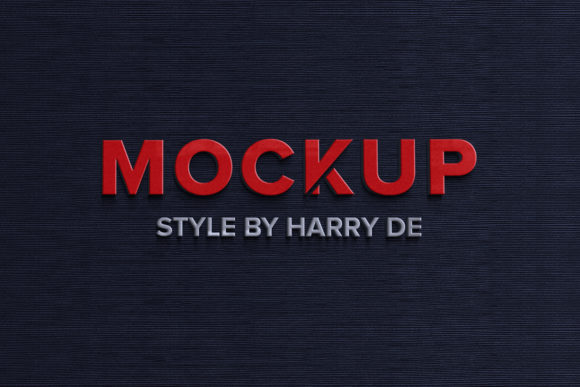
A Realistic New 3d Logo Mockup Design is a digital template that simulates how a logo would look when applied to various 3D objects or environments. These mockups are created using 3D rendering software and then exported into Photoshop (PSD) files so they can be easily edited. They often include smart object layers, which means you can replace the placeholder logo with your own design without affecting the quality or realism of the scene.
Such mockups are widely used in portfolio presentations, client proposals, website banners, social media posts, and promotional content. Their ability to visualize a logo in context helps stakeholders understand its real-world application better than flat images ever could.
Common Mistakes When Using 3D Logo Mockups
While these mockups offer incredible value, there are several common mistakes people make when choosing or using them:
- Choosing Low-Quality Templates: Not all 3D mockups are created equal. Some may appear unrealistic or lack sharpness, especially if they’re not rendered at high resolution like 300 DPI or sized appropriately such as 3600 x 2400 pixels.
- Ignoring Smart Object Layers: Many users replace the logo but overlook other editable elements. Understanding how to use smart objects ensures your logo looks perfect every time without distorting or pixelating.
- Overlooking Layer Organization: A well-organized PSD file with folders and grouped layers makes editing easier. If a mockup lacks structure, it can become frustrating to navigate and modify later on.
- Using Outdated Styles: A mockup should reflect current design trends. If it looks dated or uses outdated lighting effects, it might reduce the perceived value of your logo.
- Not Customizing the Scene: Simply replacing the logo isn’t enough. Adjusting background colors, shadows, and textures can help your logo stand out more effectively.
Why These Mistakes Matter
Making any of these errors can lead to subpar results. For example, using a low-resolution mockup might cause your logo to appear blurry when printed or displayed online. Similarly, poor layer organization increases the risk of accidentally deleting important parts of the design while trying to customize it.
When a logo is presented in an unconvincing 3D environment, it can confuse viewers about where the logo will actually be used. This can affect brand perception, especially during client pitches or investor meetings where first impressions count. Additionally, failing to adjust lighting and textures can make your logo blend into the background or look unnatural in certain contexts.
How to Avoid Common Pitfalls
To ensure your Realistic New 3d Logo Mockup Design delivers maximum impact, follow these best practices:
- Check Resolution and Quality: Always verify that the mockup you choose has a resolution of 300 DPI and a size of at least 3600 x 2400 pixels. High-quality mockups maintain clarity even when zoomed in or printed large.
- Use Smart Objects Properly: Look for templates labeled as "Smart Object Ready." This feature allows you to insert your logo seamlessly while preserving the integrity of the 3D scene. Don't stretch or scale the logo manually—use the smart object tool instead.
- Review Layer Structure: Open the PSD file before downloading and check how the layers are organized. A good mockup will have clearly labeled folders and groups, making it easy to edit specific elements like backgrounds, lights, or textures.
- Customize Beyond the Logo: Take the time to tweak the surrounding environment. Change the color of the surface, add subtle reflections, or adjust the lighting angle to create a more authentic and engaging presentation.
- Match the Style to Your Brand: Ensure the mockup’s aesthetic aligns with your brand identity. If your brand is modern and sleek, avoid mockups with overly stylized or cluttered visuals that don’t match the tone.
Examples of Better Approaches
Let’s say you're designing a logo for a new coffee shop. Instead of placing your logo on a generic white box, you could use a 3D mockup showing the logo on a coffee mug, storefront sign, or branded packaging. By customizing the background to show morning light streaming through a window, you create a more relatable and appealing image.
Another scenario involves a tech startup looking to launch a new app. Using a 3D logo mockup that places the logo on a smartphone screen or tablet interface gives investors and potential clients a clear idea of branding in action. Adding realistic screen glare or finger touches can elevate the mockup from simple to stunning.
What to Check Before Downloading or Buying
Before committing to a Realistic New 3d Logo Mockup Design, consider the following factors:
- File Format: Make sure the pack includes both a PSD and JPEG file. The PSD allows full customization, while the JPEG is ideal for final output or sharing with others who don’t use Photoshop.
- Compatibility: Confirm the mockup works with your version of Photoshop. Some newer features may not function correctly in older versions, limiting your ability to edit freely.
- License Terms: Understand whether the mockup is for personal or commercial use. Using a mockup incorrectly could lead to legal issues down the line.
- Customer Reviews: Read user feedback to gauge the ease of use, quality, and support available. A positive rating doesn’t always mean it’s right for you, but it can highlight common strengths or weaknesses.
- Preview Images: Most platforms provide sample images of the mockup. Study these carefully to see how realistic the final render appears and whether it suits your needs.
The Value of Fully Editable Files
One of the standout features of a Realistic New 3d Logo Mockup Design is that it typically offers 100% editable layers. This means you’re not limited to just swapping out the logo—you can change colors, textures, lighting, and even the position of the logo within the scene. Such flexibility is invaluable for testing different branding variations or tailoring the design for specific campaigns.
For instance, if you want to show your logo in a variety of scenarios (e.g., on a business card, laptop, and billboard), having one fully layered mockup with multiple scenes can save hours of work compared to creating each one from scratch.
Streamlining Your Workflow with the Right Tools
Many creators assume they need a deep knowledge of 3D software to achieve great results. In reality, the best 3D logo mockups are designed to be user-friendly. With a smart object replacement system, even beginners can produce professional-looking designs in minutes.
Here’s a quick workflow tip:
- Open the PSD file in Photoshop.
- Locate the smart object layer (usually labeled “Logo” or similar).
- Double-click the layer to open the smart object and paste your logo.
- Save and close the smart object.
- Adjust lighting, colors, and other elements using the provided layers.
- Export the final result as a JPEG for sharing or printing.
Final Thoughts on Choosing a 3D Logo Mockup
Investing in a Realistic New 3d Logo Mockup Design can be a game-changer for anyone involved in branding, design, or marketing. It provides a cost-effective way to visualize logos in real-world applications, helping you communicate your message more clearly and professionally.
However, it’s crucial to choose wisely. Avoid templates that promise too much but deliver little in terms of usability or quality. Opt for mockups that are easy to edit, come with clear instructions, and offer realistic lighting and textures. Always preview the mockup before purchasing to ensure it meets your expectations and project requirements.
If you're unsure where to start, many platforms offer free trials or previews of their 3D logo mockup packs. These let you test the template before buying the full version. And remember—when in doubt, read reviews and ask fellow designers for recommendations. The right mockup can streamline your workflow and elevate your brand’s visibility in ways you never imagined.
Once you’ve found a suitable Realistic New 3d Logo Mockup Design, take the time to explore its features. You’ll likely discover hidden tools and layers that can help you create even more dynamic presentations. As always, practice makes perfect, and the more you experiment, the better you'll become at leveraging these powerful resources.