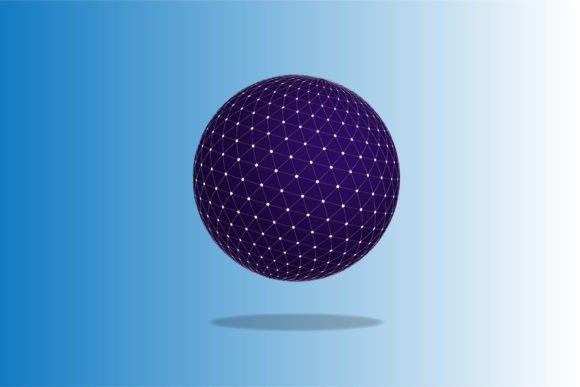
Polygonal Planet Design: Abstract 3D Art for Creative and Professional Use
Abstract 3D design has become a powerful tool in the world of digital art, branding, and visual storytelling. Among its many forms, Polygonal Planet Design stands out as a unique and versatile approach that combines geometric precision with artistic imagination. This design style uses polygonal shapes to create stylized representations of planets or celestial bodies, often rendered in three dimensions to offer a striking visual impact. Whether you're an artist, designer, or brand looking to stand out visually, understanding and implementing Polygonal Planet Design can open up new creative possibilities.
What Is Polygonal Planet Design?
Polygonal Planet Design, particularly in the context of Abstract 3D, refers to the use of multi-faceted, geometric structures to represent planetary forms. Unlike realistic planet renderings, these designs emphasize shape, color, and structure over accurate planetary details. They are often used to symbolize concepts like exploration, innovation, and global connectivity in a visually engaging way.
This style is commonly created using vector graphics software such as Adobe Illustrator, where artists build complex, layered shapes using polygons. The result is a clean, modern look that's both eye-catching and adaptable across different media platforms.
Common Challenges and Goals
Many designers face challenges when trying to convey abstract ideas through traditional imagery. Realistic depictions of planets may not always fit the tone or message they want to deliver. Additionally, creating custom 3D visuals from scratch can be time-consuming and technically demanding.
Users often aim to achieve one or more of the following goals:
- Create a unique visual identity that reflects creativity or futurism.
- Design assets suitable for print and digital media without quality loss.
- Use scalable graphics for logos, website headers, infographics, and marketing materials.
- Develop content quickly while maintaining a high level of professionalism and aesthetic appeal.
How Polygonal Planet Design Can Help
The Abstract 3D nature of Polygonal Planet Design makes it ideal for overcoming the limitations of realism. It allows for greater flexibility in expressing themes related to technology, space, unity, or environmental awareness. Because these designs are built with vectors and polygons, they remain sharp at any scale, making them perfect for responsive web design, mobile interfaces, and large-format printing.
For example, a tech startup might use a stylized polygonal planet to represent global reach and interconnected systems. A science communicator could leverage this design to simplify complex topics about Earth’s ecosystems or exoplanets. In each case, the goal is to communicate effectively while maintaining visual appeal and clarity.
Practical Applications and Outcomes
Polygonal Planet Design. Abstract 3D is widely used in several industries due to its adaptability and symbolic potential. Here are some practical applications:
1. Branding and Logos
Businesses that focus on sustainability, travel, or technological advancement often incorporate stylized planets into their branding. An abstract 3D polygonal planet adds a futuristic touch while being easily recognizable and memorable.
2. Website Headers and Banners
These designs work exceptionally well in digital spaces. Their bold, geometric features draw attention and can be animated for interactive user experiences. As EPS files, they retain quality regardless of size, which is crucial for responsive web design.
3. Infographics and Data Visualization
In educational or corporate settings, abstract 3D planets help visualize data in a thematic context. For instance, showing growth across regions or the spread of information globally can be made more engaging with a stylized planet graphic.
4. Print Media and Packaging
Because these designs are resolution-independent, they’re excellent for printed materials such as posters, brochures, or product packaging. Their geometric simplicity ensures consistency across different surfaces and sizes.
Using Abstract 3D Polygonal EPS Files
One of the most convenient ways to access and use Polygonal Planet Design. Abstract 3D elements is through pre-made EPS (Encapsulated PostScript) files. These vector-based files allow for complete scalability and customization. You can adjust colors, shapes, and layer styles to match your project’s requirements without compromising quality.
EPS files are especially useful for professionals who need to integrate the design into various workflows. Graphic designers working in Adobe Illustrator can easily modify these files to align with brand guidelines. Web developers can convert them into SVGs for use in HTML and CSS. Printers appreciate the crisp lines and clean edges for high-quality output.
Examples and Recommendations
Here are some examples of how Polygonal Planet Design. Abstract 3D can be applied effectively:
- Environmental Campaigns: A nonprofit promoting climate action could use a stylized polygonal Earth to represent the fragility and complexity of our planet’s systems.
- Game Assets: Indie game developers often rely on abstract 3D designs to create alien worlds or futuristic landscapes efficiently.
- Corporate Presentations: A company launching a global initiative might feature a polygonal planet to illustrate worldwide expansion and collaboration.
- Background Elements: In UI/UX design, these graphics can serve as subtle background motifs that add depth and meaning without overwhelming the interface.
When sourcing Abstract 3D polygonal EPS files, consider the following recommendations:
- Look for high-quality downloads from reputable stock image sites or design marketplaces.
- Ensure the file includes multiple layers for easy editing.
- Check for licensing terms if you plan to use the design commercially.
- Opt for customizable templates that allow you to tweak colors and shapes to suit your brand’s palette.
Considerations for Implementation
While Polygonal Planet Design. Abstract 3D is visually compelling, there are a few considerations to keep in mind before integrating it into your projects:
Clarity Over Complexity: Although the design is intricate, avoid overloading it with too many details. Maintain readability, especially when used in smaller formats like icons or thumbnails.
Color Theory: Use a limited but impactful color scheme to enhance the design’s visibility and emotional resonance. Earth tones might suggest environmental themes, while vibrant hues can evoke futuristic or energetic concepts.
Context Matters: Consider the cultural or symbolic meanings associated with planets and space. In some contexts, an abstract representation may not resonate well or may even be misinterpreted.
Technical Compatibility: Confirm that the EPS file works seamlessly with your design tools. Some free downloads may lack compatibility or require additional plugins to edit properly.
Different Approaches for Different Users
Depending on your experience level and objectives, you can approach Polygonal Planet Design. Abstract 3D in various ways:
- Beginners: Start with ready-made EPS files and experiment with simple modifications. Focus on learning basic vector manipulation techniques in tools like Illustrator or Inkscape.
- Intermediate Designers: Combine multiple polygonal elements to build composite scenes. Add lighting effects, gradients, or textures to enhance the 3D illusion and make the design more dynamic.
- Advanced Creators: Build your own models from scratch using 3D modeling software like Blender or Cinema 4D. Export to vector format for seamless integration into other design projects.
For those interested in animation or motion graphics, abstract 3D polygonal planets can also serve as base models for transitions, loading screens, or explainer videos. Their geometric nature lends itself well to morphing effects and interactive visualizations.
Getting Started with Polygonal Planet Design
If you're new to Polygonal Planet Design. Abstract 3D, here’s a step-by-step guide to help you begin:
- Define Your Purpose: What message or theme do you want the planet to represent? This will guide your choice of style, color, and composition.
- Select or Create the Design: Choose a ready-made EPS file or start designing your own using vector tools. Free resources are available online, but paid options often provide higher quality and exclusivity.
- Edit and Customize: Open the EPS file in your preferred design software and adjust the colors, shapes, and layout to align with your brand or project.
- Test Across Platforms: Ensure the design looks good in both digital and print environments. Resize it to see how it holds up in different contexts.
- Integrate Into Your Workflow: Use the final design in presentations, websites, social media, or promotional materials. If needed, convert it to SVG or PNG for web use.
Conclusion
Polygonal Planet Design. Abstract 3D offers a fresh and innovative way to visualize planetary concepts in a variety of professional and creative contexts. By leveraging the strengths of geometric abstraction and 3D rendering, this design style can help you communicate complex ideas clearly and stylishly. With the availability of editable EPS files, it's easier than ever to customize and implement these designs into your projects.
Whether you're enhancing a brand identity, creating engaging educational content, or building immersive digital experiences, abstract 3D polygonal planets can provide the visual punch you're looking for. Start exploring this exciting design direction today to elevate your creative output and connect with your audience in a meaningful way.