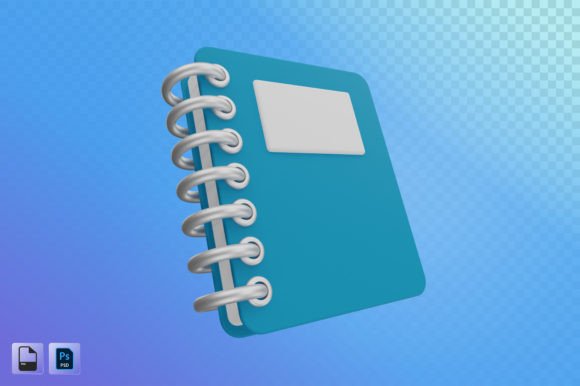
Notebook 3D Illustration for Creative Projects
When it comes to adding a touch of modernity and visual appeal to your designs, Notebook 3D Illustration is an excellent choice. These illustrations are digital representations of notebooks in three dimensions, offering depth, realism, and flexibility that can elevate the look of any project. Whether you're designing for apps, websites, presentations, or social media advertising, a Notebook 3D Illustration provides a versatile and eye-catching element that can communicate ideas clearly and stylishly.
What Is a Notebook 3D Illustration?
A Notebook 3D Illustration is a lifelike graphic created using 3D modeling software. It mimics the appearance of a real notebook—complete with pages, textures, and subtle details like folds or creases. Unlike traditional 2D images, these illustrations offer realistic lighting, shadows, and angles, making them highly adaptable for different design contexts.
These illustrations are typically available in high-resolution formats such as PSD and PNG files, often at 2000x2000 pixels, ensuring they look sharp on both digital screens and printed materials. They can be customized in color, layout, and even content, allowing designers to tailor them precisely to their needs.
Why Use Notebook 3D Illustrations in Your Work?
There are several reasons why incorporating a Notebook 3D Illustration into your design projects can be beneficial:
- Visual storytelling: A notebook can symbolize creativity, planning, learning, or productivity, depending on how it's used. This makes it ideal for conveying messages related to education, work, or lifestyle content.
- Design versatility: The illustration works well across platforms—from UI/UX mockups to posters and web banners.
- High-quality resolution: With 2000x2000 px clarity, the image remains crisp and detailed whether displayed on mobile devices or large billboards.
- Layered files (PSD): Designers love working with layered PSDs because they allow for easy editing and customization without compromising quality.
Common Uses of Notebook 3D Illustrations
Notebook 3D Illustrations are incredibly useful in a wide range of scenarios. Here are some practical examples where they shine:
- UI/UX Design: In app or website interfaces, a notebook illustration can represent notes, journals, or task lists. It adds a friendly, intuitive feel to the design.
- Social Media Advertising: Marketers use these illustrations to create engaging posts for products like planners, stationery, or educational tools. The 3D effect helps catch attention quickly.
- Presentations and Posters: Whether promoting a new product or supporting an educational seminar, a realistic notebook illustration brings a professional and creative flair to the visuals.
- Content Creation: Bloggers and YouTubers often include these graphics in their thumbnails, headers, or background visuals to highlight themes around creativity, learning, or productivity.
Real-Life Examples
Imagine you’re creating a landing page for a productivity app. Adding a Notebook 3D Illustration next to your call-to-action button instantly conveys the idea of note-taking and organization. Or think about a teacher preparing a poster for a classroom activity; placing a colorful 3D notebook in the corner can visually reinforce the message of learning and engagement.
Another example is a small business owner launching a line of eco-friendly stationery. A clean, modern Notebook 3D Illustration could serve as the central image in their Instagram ad, helping customers visualize the product before it’s even seen in person.
How to Get the Most Out of Notebook 3D Illustrations
To truly leverage the power of a Notebook 3D Illustration, consider the following tips:
- Match the style to your brand: Choose colors and textures that align with your overall branding to maintain consistency.
- Use it strategically: Don’t just place the illustration randomly. Think about what it represents and how it fits into the narrative of your design.
- Experiment with composition: Try layering the illustration with other elements like pens, sticky notes, or digital gadgets to add context and interest.
- Optimize for each platform: While the original file is high-res, make sure to resize and compress it appropriately when using it online to ensure fast loading times.
Beginner-Friendly Tips
If you're new to using 3D illustrations, start by exploring free design resources or affordable stock sites that offer Notebook 3D Illustrations in PSD and PNG formats. Once you download the file, open it in Adobe Photoshop to see how layers work. You can easily change the notebook cover color, add text to the pages, or reposition the light source for a more dynamic look.
For those using Canva or Figma, many platforms now support PNG imports. Simply drag the image into your canvas and adjust its size or placement to suit your layout.
Choosing the Right Notebook 3D Illustration
With so many options available, selecting the perfect illustration might seem overwhelming. Here are some key things to consider:
- Resolution: Ensure the file is at least 2000x2000 px to maintain quality across all uses.
- File format: If you need full control over the design, go for a layered PSD file. For quick usage in digital projects, a transparent PNG might suffice.
- Style and realism: Some illustrations have a cartoonish or flat look, while others are hyper-realistic. Choose one that matches your project’s tone.
- Licensing: Always check the terms of use to confirm if the illustration can be used commercially or if attribution is required.
Where to Find Notebook 3D Illustrations
Many design marketplaces host high-quality Notebook 3D Illustrations. Look for assets that come with multiple views (front, side, angled) and customizable components. These will give you more flexibility when integrating the illustration into your workflow.
Enhancing Your Projects with 3D Notebooks
The beauty of a Notebook 3D Illustration lies in its adaptability. It can fit into almost any design theme and help tell a story without words. For instance, a lifestyle blogger might use a cozy, pastel-colored notebook to illustrate a post about morning routines. Meanwhile, a tech startup could feature a sleek black notebook with glowing lights to represent innovation and data-driven thinking.
Because these illustrations are scalable and editable, they’re also great for print materials like brochures or packaging. Just imagine a minimalist logo placed on the front of a 3D notebook in your brochure—it adds character without cluttering the design.
Combining with Other Elements
One of the best ways to enhance your design is by combining the Notebook 3D Illustration with complementary assets. Add a pen, highlighter, or smartphone nearby to suggest interactivity or connectivity. These groupings can help viewers understand the context better and create a more immersive experience.
You can also animate the illustration subtly in web or app interfaces—for example, having the notebook flip through pages or glow when hovered over. These small animations can significantly improve user engagement and perceived value.
Important Considerations Before Using Notebook 3D Illustrations
Before diving into your design project, keep these considerations in mind to avoid common pitfalls:
- Relevance: Make sure the illustration supports the message of your project. A notebook may not always be the right choice, especially if your topic is unrelated to writing or learning.
- Performance: High-resolution files can slow down your site or app if not optimized properly. Compress PNGs and convert PSDs to flattened versions for web use unless you need the layers for editing.
- Originality: While many illustrations are customizable, try to personalize them enough to stand out from generic stock images.
Best Practices for Beginners
If you're just starting out, don’t worry about mastering advanced techniques right away. Begin by downloading a few different Notebook 3D Illustrations and experimenting with how they look in your designs. Try adjusting the background, overlaying text, or changing the perspective. Over time, you’ll develop a sense of which styles work best for different purposes.
Also, remember that less is more. A simple, elegant illustration often speaks louder than a complex one. Focus on how the image enhances the overall message rather than trying to cram too much into one scene.
Conclusion: Bringing Ideas to Life with Notebook 3D Illustration
In today’s design landscape, visual elements like the Notebook 3D Illustration play a crucial role in capturing attention and communicating concepts effectively. Whether you're a seasoned designer or just getting started, this type of illustration offers a powerful way to bring your ideas to life across various platforms and industries.
By choosing a high-resolution version (like 2000x2000 px), working with layered PSD files, and using it creatively in your UI, web, or social media projects, you can unlock new possibilities for your designs. As you experiment and integrate these illustrations into your workflow, you'll find they’re not just decorative—they’re functional and impactful.
So next time you're looking for a way to add depth, realism, and relevance to your project, consider using a Notebook 3D Illustration. It might just become one of your favorite design assets.